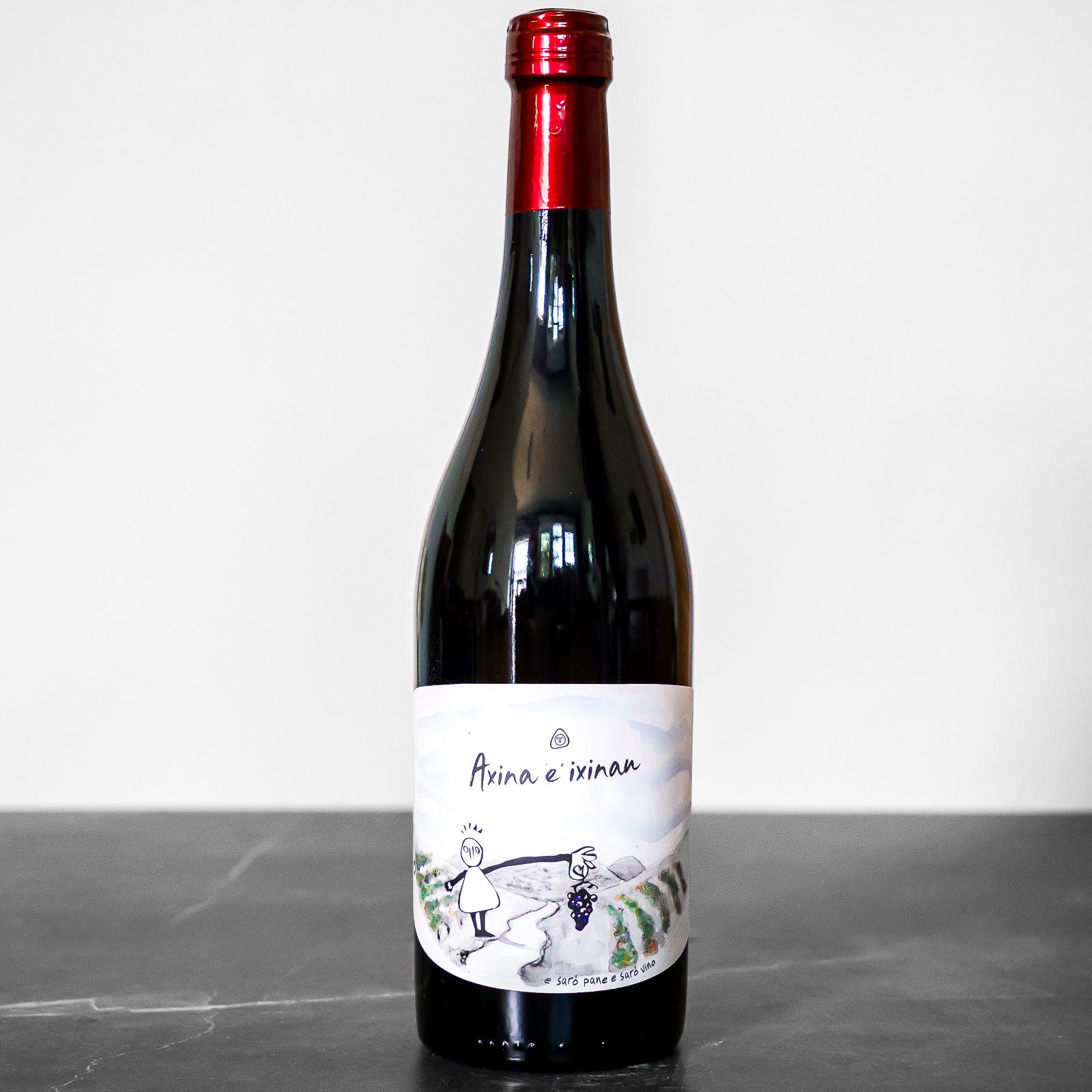
Dark fruit—plum and black cherry—with a touch of earth and spice. Silky texture, fine tannins, and a fresh backbone that keeps it from ever feeling heavy. Easy to drink, but not simple.
Closeries des Moussis
Laurence Alias and Pascale Choime didn’t inherit vineyards or a legacy estate. They started in 2009 with a leased parcel of old vines, passed on by growers who believed in their approach. From there, they built the project slowly—parcel by parcel, year by year—until it could stand on its own.
Today, they farm a handful of small sites across the Haut-Médoc, Margaux, and surrounding area. Every cuvée comes from a single parcel, treated as its own ecosystem. The farming is fully organic and biodynamic, with everything done by hand or by horse to keep the soils alive and undisturbed. Yields are low, sometimes painfully so, but the focus is always on vitality over volume.
At the heart of the domaine is a tiny, pre-phylloxera plot planted around 1870. Ungrafted vines, rare local varieties, massale selections, and old techniques like layering still in place. It’s not just a vineyard—it’s a piece of living history, still producing fruit in its own time and on its own terms.
The cellar is just as unpolished. A literal garage filled with old barrels, amphorae, and even a century-old clay vessel salvaged from Cognac. Fermentations are native, extractions are gentle, and élevage stretches long in large-format wood to keep things slow and steady. No manipulation, no shortcuts, just time and attention.
The wines land far from the Bordeaux stereotype. They’re lighter on their feet, more about energy than weight. Fresh, direct, and built to drink, but with enough structure and depth to evolve.
Alongside their estate wines, Laurence and Pascale also produce a small range of experimental bottles outside the constraints of the AOC—skin-contact whites, pét-nat, piquette—giving them room to explore without losing their footing.
Closeries des Moussis proves that Bordeaux doesn’t need to be polished to be taken seriously. It just needs people willing to work the land honestly, give the wines time, and let them speak without interference.